
Why Aluminum-Framed Acrylic Portholes Are the Modern Vessel's Best Choice
5/25/20263 min read
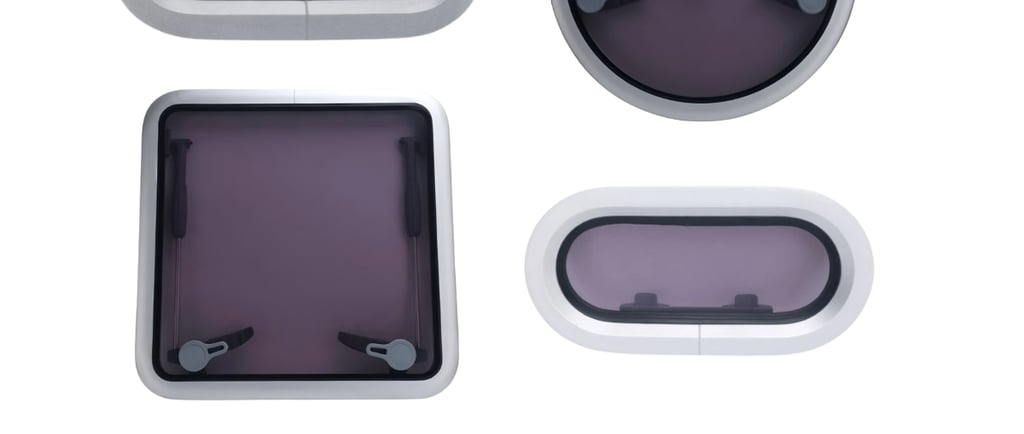
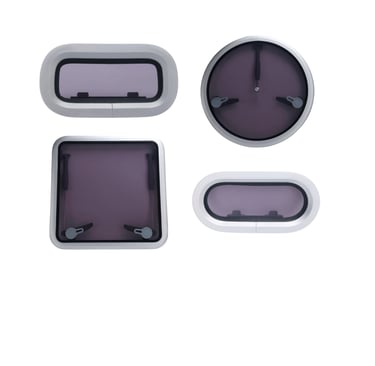
Introduction: The Evolution of Marine Portholes
For decades, traditional marine portholes were dominated by heavy brass or stainless steel frames paired with thick tempered glass. While durable, these classic combinations come with significant drawbacks: excessive weight, high material costs, and vulnerability to impact shattering.
Today, a new standard is emerging across commercial fleets, recreational yachts, and workboats alike: aluminum alloy frames with acrylic glazing. As a specialized manufacturer of marine portholes, we have supplied thousands of vessels with this modern solution—and the demand continues to grow.
This guide explains why aluminum-acrylic portholes have become the preferred specification for shipbuilders and refit yards worldwide.
1. The Aluminum Advantage: Lightweight Strength Meets Corrosion Resistance
Marine-grade aluminum alloy (typically 5083 or 6061-T6 with anodized finishing) offers a unique combination of properties that make it ideal for porthole construction:
Significant Weight Reduction
Aluminum is approximately one-third the weight of stainless steel and one-fourth the weight of brass. For high-speed craft, passenger ferries, and mega-yachts where every kilogram affects fuel efficiency and stability, this weight savings is substantial. A fleet of 20 vessels each fitted with 40 aluminum portholes can save hundreds of kilograms in topside weight.
Superior Corrosion Resistance
Through anodizing treatment (typically 15–25 microns), aluminum forms a hard, protective oxide layer that withstands salt spray, UV exposure, and temperature cycling far better than painted carbon steel. Unlike brass, which can dezincify in certain marine environments, properly anodized aluminum maintains its integrity for 10+ years with minimal maintenance.
Cost-Effective Manufacturing
Aluminum extrusion and CNC machining allow for efficient production of both standard and complex geometries. This manufacturing flexibility means we can offer competitive pricing on standard sizes while maintaining the precision required for custom specifications.
Thermal Efficiency
Aluminum frames conduct less thermal bridging compared to stainless steel, reducing condensation buildup inside cabins—a common complaint from crew and passengers on vessels operating across varying climates.
2. Acrylic Glazing: Safety, Clarity, and Durability
While tempered glass has been the traditional choice, marine-grade acrylic (PMMA) or polycarbonate glazing offers distinct advantages for modern portholes:
Impact Resistance
Acrylic is up to 17 times more impact-resistant than tempered glass of equal thickness. In heavy seas, when debris or wave-slamming pressures stress the window, acrylic flexes rather than shatters. This safety factor is critical for vessels operating in rough conditions or remote areas where replacement glass is unavailable.
Lighter Weight
Acrylic is approximately half the weight of glass, further contributing to the overall weight reduction of the porthole assembly. For large-diameter portholes (350mm+), this difference becomes especially significant.
Optical Clarity & UV Stability
High-quality marine acrylic transmits 92% of visible light—superior to glass—and can be manufactured with UV-stabilized formulations that prevent yellowing or hazing after years of sun exposure. Passengers enjoy clearer views, and interior spaces receive better natural illumination.
Repairability
Unlike glass, which must be fully replaced when cracked, minor surface scratches on acrylic can often be polished out by crew members using standard marine polishing compounds. This reduces downtime and maintenance costs during long voyages.
Design Flexibility
Acrylic can be thermoformed into curved or domed profiles that would be prohibitively expensive in glass. This allows for innovative porthole designs that enhance both vessel aesthetics and hydrodynamics.
3. Standard Sizes vs. Custom Manufacturing: Flexibility for Every Project
As a direct manufacturer, we maintain a full inventory of standard porthole sizes for immediate delivery while operating a dedicated custom fabrication workshop for unique requirements.
Standard Range (Ready to Ship)
Our stock program covers the most commonly specified dimensions for commercial and recreational vessels:
All standard units include marine-grade EPDM sealing gaskets, anodized aluminum deadlights (storm covers), and stainless steel dog bolts for secure closure.
Custom Fabricination Capabilities
When your naval architecture demands non-standard solutions, our engineering team delivers:
Non-standard diameters: From 150mm to 600mm clear opening
Elliptical or rectangular profiles: For superyacht interiors or specialized deckhouses
Variable frame depths: Accommodating hull thicknesses from 25mm to 150mm
Custom finishes: Brushed, polished, or powder-coated in RAL colors to match vessel livery
Integrated features: Pre-drilled mounting holes, hinge modifications, or coupling flange adaptations
Custom Order Process:
Submit vessel drawings or existing porthole samples
Receive dimensional confirmation and 3D renderings within 48 hours
Production and quality inspection (typically 2–4 weeks depending on complexity)
Secure export packaging with full certification documentation
4. Applications: Where Our Aluminum-Acrylic Portholes Excel
Our portholes are specified across diverse marine sectors:
Commercial Fishing Vessels
The lightweight aluminum frame reduces topside weight on smaller craft, while impact-resistant acrylic withstands the harsh working environment of processing decks and wheelhouses.
Passenger Ferries & Cruise Ships
Large-diameter custom portholes provide passengers with panoramic views. The thermal properties of aluminum frames reduce HVAC loads, contributing to energy efficiency targets.
Mega-Yachts & Superyachts
Custom finishes and non-standard shapes allow interior designers to realize unique aesthetic visions without compromising watertight integrity or classification society requirements.
Naval & Patrol Craft
Acrylic's shatter-resistant properties enhance crew safety during high-speed maneuvers or in combatant environments. EMI-shielding acrylic options are available for specialized applications.
Workboats & Offshore Support Vessels
Standard sizes allow rapid replacement during maintenance windows, minimizing vessel downtime and lost charter revenue.